What to Avoid Before and After Liposuction Farmington Hills
@johnathaniwfo192
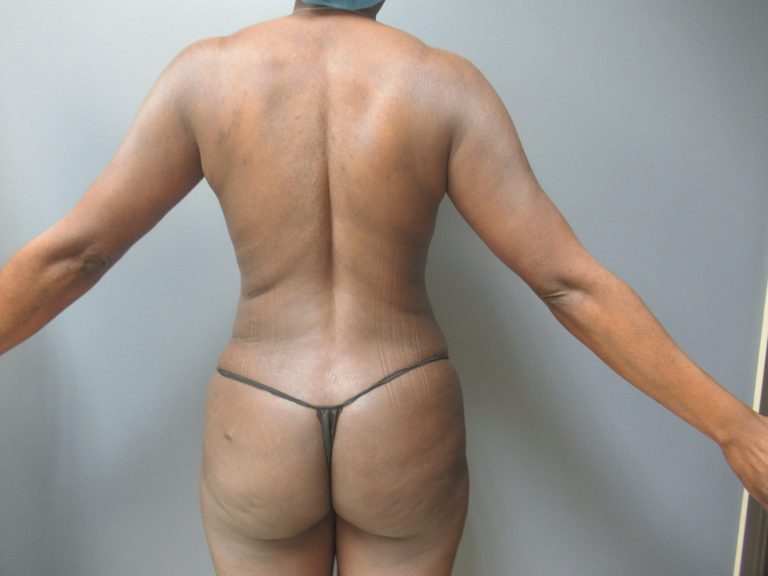
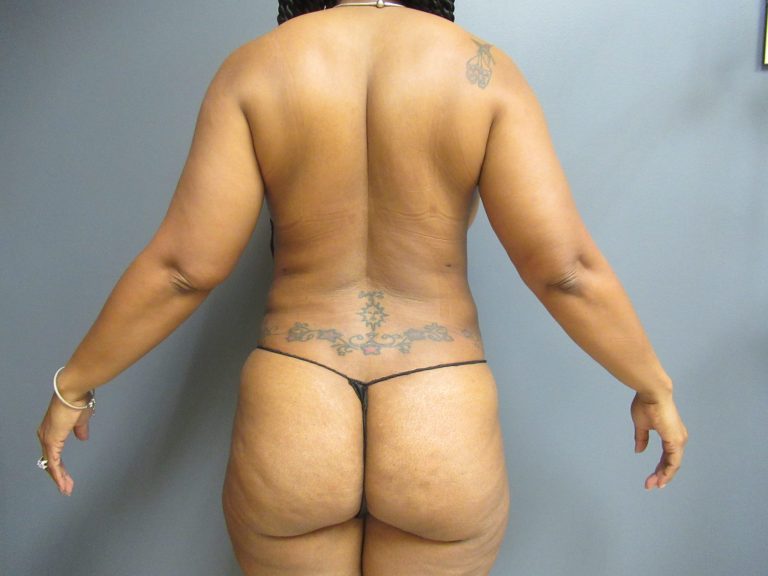
Liposuction can be a very effective procedure for refining body contours, but the best results rarely come from the operating room alone. They come from the weeks before surgery, the discipline during recovery, and the small decisions patients make when no one is watching. In practice, most setbacks are not dramatic surgical problems. They are ordinary mistakes: stopping medications too late, returning to the gym too soon, underestimating swelling, or expecting liposuction to solve issues it was never meant to fix.
For patients considering Liposuction Farmington Hills, the most useful guidance is often not what to do, but what to avoid. That distinction matters. Avoiding the wrong habits can reduce bruising, lower the risk of complications, protect your final contour, and make recovery less stressful.
Liposuction is designed to remove localized fat deposits and improve shape. It is not a substitute for weight loss, and it is not a treatment for every skin or body contour concern. That is why the preparation phase deserves as much attention as the procedure itself. A patient who goes into surgery at a stable weight, with realistic expectations and a clear recovery plan, almost always has a smoother experience than someone who treats surgery like a quick fix squeezed into an already chaotic week.
The first mistake, treating liposuction like a minor errand
People often describe liposuction as routine, and in many cases it is routine for an experienced surgical team. That does not mean it is casual. It is still surgery. Tissue is disrupted. Fluid shifts occur. Swelling, drainage, soreness, and activity restrictions are normal parts of the process.
One of the most common preoperative errors is minimizing what recovery actually requires. A patient may think, “I’ll take a long weekend and be back to normal.” Sometimes desk work resumes fairly quickly, depending on the extent of treatment, but “back to normal” is not the same as fully recovered. Compression garments, swelling, temporary numbness, sleep positioning, Liposuction Farmington HIlls limited lifting, and follow-up visits all need to be factored into real life.
This matters especially for busy professionals and parents. If you schedule surgery just before a work deadline, a wedding, a vacation, or a week when no one can help at home, you create pressure to recover on an artificial timeline. The body does not negotiate well with calendars.
What to avoid before surgery
Preparation is less glamorous than procedure day, but it often determines how smooth the postoperative course will be. The goal is to reduce avoidable bleeding, improve healing, and make sure your body is in the best possible condition for surgery.
Avoid nicotine in all forms
Nicotine is one of the clearest problems before any cosmetic surgery. Cigarettes, vaping devices, nicotine pouches, gum, and patches can all interfere with circulation and wound healing. Patients sometimes assume vaping is somehow easier on recovery because there is no smoke. From a healing standpoint, nicotine is still the issue.
Poor blood flow can increase the risk of delayed healing and affect skin quality during recovery. If a surgeon gives you a stop date, follow it exactly. Trying to “cut down” rather than stop altogether is not the same thing. This is one area where partial compliance does not offer the same benefit.
Avoid blood-thinning medications and supplements unless your doctor says otherwise
A surprising number of patients forget that “natural” does not mean risk-free. Certain over-the-counter pain relievers, vitamins, herbal supplements, and wellness products can increase bruising or bleeding. Fish oil, vitamin E, ginkgo, garlic supplements, ginseng, and some anti-inflammatory medications are common examples that often come up during pre-op review.
No one should stop a prescribed medication without direct medical instruction, especially if it is used for heart disease, stroke prevention, or another important condition. The key is full disclosure. The safest patient is usually the one who brings in the complete medication and supplement list, not the one who edits it because a product seems harmless.
Avoid crash dieting
Patients sometimes try to “help” their surgical result by losing a large amount of weight quickly just before liposuction. That usually backfires. Rapid weight loss can affect energy, hydration, nutrition, and recovery. It can also make the body fluctuate right up to surgery, which is not ideal when body contouring is being planned around your current proportions.
A stable weight is usually more useful than an aggressive short-term drop. If your weight changes significantly between consultation and surgery, your treatment plan may need to change too. In some cases, if a patient is still actively losing a substantial amount, it makes sense to wait until weight has stabilized.
Avoid alcohol excess and dehydration
Alcohol can contribute to dehydration and may increase bruising risk around the time of surgery. Many patients do not think much about hydration until after their procedure, but being well Liposuction Farmington HIlls hydrated beforehand matters too. Good hydration supports circulation and recovery, while dehydration can leave you feeling worse and recovering less comfortably.
The week before surgery is not the time for celebratory dinners, salty restaurant food every night, or a weekend of drinks because you assume you will be “taking it easy soon anyway.” That pattern often leaves patients swollen, poorly rested, and less prepared than they realize.
Avoid sunburn and skin irritation in treatment areas
This point gets overlooked. If the skin over the planned liposuction area is irritated, inflamed, or sunburned, surgery may need to be delayed. Even minor skin issues matter when incisions, compression, and healing are involved. Self-tanners, harsh exfoliants, aggressive shaving, and last-minute cosmetic treatments can also create unnecessary skin sensitivity.
Expectations that tend to cause disappointment
Some of the most preventable frustration begins before surgery, not after it. Patients do best when they understand what liposuction can improve and what it cannot.
Liposuction can reduce resistant fat pockets in areas like the abdomen, flanks, thighs, upper arms, back, or under the chin. It may improve clothing fit and body proportion. It does not tighten severely loose skin, repair separated abdominal muscles, or replace a long-term nutrition and exercise routine. If skin elasticity is limited, some looseness may remain after fat removal. If cellulite is present, liposuction does not reliably erase it.
The patient who expects a cleaner silhouette usually feels satisfied. The patient who expects a completely different body by next month often struggles, even if the technical result is good.
For anyone pursuing Liposuction Farmington Hills, a thoughtful consultation should include a candid discussion about skin quality, weight stability, target areas, realistic contour change, and whether another procedure, or no procedure at all, would make more sense.
Practical things not to leave until the last minute
The days just before surgery can become chaotic fast. People remember the big items and forget the small ones that matter more during recovery than they expected. A little planning reduces a lot of unnecessary stress.
- Do not wait until the night before to fill prescriptions, buy loose clothing, or set up your recovery space.
- Do not assume you can drive yourself home or manage alone that first night unless your surgeon specifically says it is appropriate.
- Do not stock only “healthy” food that requires effort to prepare. Recovery is easier with simple meals, water, and low-sodium options ready to go.
- Do not forget practical details like charging your phone, placing frequently used items at waist height, and having extra pillows available.
- Do not plan social obligations during the first part of recovery, even if you think you will “probably feel fine.”
Patients who prepare well usually describe their first few days as inconvenient but manageable. Patients who prepare poorly often describe the exact same physical recovery as overwhelming.
What to avoid right after liposuction
The early recovery period is where impatience tends to show up. This is when people begin checking the mirror too often, comparing themselves to others online, or testing their limits because soreness is improving. That urge is understandable, but it can work against healing.
Avoid judging your result too early
Early swelling can be dramatic. Some patients feel smaller immediately in one area but puffier overall in another. Bruising may shift downward with gravity. Temporary asymmetry can show up. The skin may feel firm, numb, or oddly uneven in the early phase. None of that automatically means something is wrong.
One of the hardest parts of recovery is that the body often looks less polished before it looks better. Swelling resolves in stages, not all at once. Final refinement can take time, especially in larger treatment areas. Patients who expect a fully settled result within a couple of weeks are almost always frustrated.
Avoid skipping your compression garment
Compression is not a fashion choice. It is part of recovery. The garment helps manage swelling, supports treated tissue, and can make movement more comfortable. Some patients stop wearing it consistently because it feels tight, bunches under clothing, or seems unnecessary once soreness improves.
That is usually a mistake. The exact schedule varies by surgeon and by case, but inconsistent use often leads to more swelling and a rougher recovery experience. If a garment truly does not fit correctly or causes specific discomfort, bring that up. The answer is usually adjustment, not abandonment.
Avoid intense exercise too soon
Patients who are very active often struggle with this more than anyone else. Feeling mentally ready to move is not the same as being physically ready for strenuous exercise. High-impact workouts, heavy lifting, core training, and aggressive lower body sessions can worsen swelling or increase discomfort if resumed prematurely.
Walking is often encouraged early because it supports circulation and reduces stiffness. That is very different from deciding you are “just going to do a light workout” that somehow turns into a full training session. The body notices.
A pattern seen often in recovery is the patient who feels pretty good around day five to ten, does too much, then wonders why swelling surges again. That rebound is common. Progress after liposuction is not always linear.
Avoid high-sodium foods and inconsistent hydration
Swelling after liposuction is expected, but it is often made worse by poor habits. Restaurant meals, processed snacks, takeout soups, deli meats, and fast food can all drive fluid retention. At the same time, some patients paradoxically drink less water because they are resting more and not thinking about hydration.
That combination usually makes them feel more bloated, stiff, and discouraged. Better hydration and moderate sodium intake will not eliminate postoperative swelling, but they often make the process noticeably more manageable.
Avoid smoking after surgery
Some patients manage to stop nicotine before surgery but relapse during recovery due to stress or routine. Unfortunately, the postoperative period is exactly when good circulation matters most. Healing tissue needs oxygen-rich blood supply. Smoking after surgery can compromise that process and increase the chances of delayed healing.
If there is ever a period to stay absolutely committed to nicotine avoidance, it is before and after surgery.
The social media trap
One quiet source of anxiety after liposuction is comparison. Patients scroll through before-and-after photos, influencer recovery clips, or “one week post-op” updates and assume those snapshots tell the whole story. They do not.
Lighting, posture, body type, the amount of fat removed, whether another procedure was done at the same time, and plain old genetics all affect recovery. So does honesty. Very few people post the awkward compression phase, the emotional ups and downs, the random swelling spikes, or the period where clothing still fits strangely.
A more realistic mindset is to compare yourself only to your own baseline and your own surgical plan. If your surgeon has treated many patients, they have likely seen a wide range of normal recovery patterns. That perspective is far more useful than a stranger’s edited timeline online.
Don’t ignore your follow-up instructions because you “feel fine”
One of the more subtle mistakes patients make is equating the absence of severe pain with complete healing. You may feel good and still not be ready to return to all normal activities. You may look fairly presentable in clothing and still have significant internal swelling. You may think a small issue is nothing when it is actually worth a quick postoperative check.
Follow-up appointments matter because recovery is assessed over time, not from one snapshot. Areas of firmness, asymmetry, fluid collection concerns, or prolonged drainage should be evaluated based on the context of your procedure. Patients who stay engaged with their surgical team usually get reassurance when it is normal and timely intervention when something needs attention.
Warning signs that should never be brushed off
Most recovery discomfort is expected. Severe or unusual symptoms are different. Patients sometimes hesitate to call because they do not want to seem overreactive, especially if it is after hours. That hesitation is understandable, but some symptoms deserve prompt medical guidance.
- Fever, chills, or rapidly worsening redness in a treatment area
- Shortness of breath, chest pain, or calf pain
- Sudden one-sided swelling that is significantly different from the other side
- Persistent heavy drainage, foul odor, or incisions that appear to be opening
- Pain that is sharply worsening instead of gradually improving
When something feels distinctly off, it is better to ask early than wait too long.
A note on weight changes after liposuction
Another avoidable problem is assuming liposuction permanently protects against future weight gain. It does not. Fat cells are removed from treated areas, but the body can still gain weight later. If that happens, the contour may change in a less predictable way. Some patients notice fullness returning in untreated areas more than they expected.
This does not mean liposuction “failed.” It means body contouring works best when paired with weight stability. Patients who maintain their habits usually preserve their results much better over time than those who treat surgery as permission to drift.
A useful way to think about it is this: liposuction can improve the starting shape, but lifestyle still influences what happens after that. Regular movement, consistent eating habits, sleep, and stable body weight matter just as much a year later as they did before surgery.
Why local experience matters
When people search for Liposuction Farmington Hills, they are often comparing credentials, photos, pricing, and convenience. Those are all relevant. What matters just as much is whether the practice gives clear pre-op guidance, realistic counseling, and structured follow-up. A technically strong procedure can still be undermined by vague instructions or poor communication.
Patients benefit from a surgical team that explains not just the ideal recovery, but the common messy middle. When will swelling peak? What kind of drainage is normal? How long will compression likely be needed? When can workouts safely resume? What happens if one area feels harder than expected at three weeks? Those are the practical questions that shape real-life recovery.
The best experiences usually come from patients who feel well informed, not just well marketed to.
The biggest theme, don’t rush the process
If there is one idea that ties together almost every avoidable mistake before and after liposuction, it is rushing. Rushing into surgery before your schedule is ready. Rushing recovery because soreness has eased. Rushing judgment because swelling has not fully settled. Rushing back into habits that compromise healing.
Liposuction rewards patience more than people expect. The procedure itself may take a matter of hours. The visible refinement unfolds much more slowly. When patients respect that timeline, follow instructions carefully, and avoid the predictable pitfalls, the experience tends to feel steadier and the result more satisfying.
For anyone considering Liposuction Farmington Hills, the smartest approach is not to chase the fastest transformation. It is to protect the result by avoiding the preventable mistakes that interfere with healing. That is where good outcomes are often won or lost, long before the swelling fades and the final contour appears.
Aesthetic Plastic Surgery & Laser Center, Michelle Hardaway M.D.
27920 Orchard Lake Rd
Farmington Hills, MI 48334
(248) 221-1957
FAQ About Liposuction Farmington Hills
What disqualifies you from getting liposuction in Farmington Hills?
A surgeon may recommend postponing or avoiding liposuction if a health condition, medication, or nicotine use raises the risk of surgery or poor healing. A consultation is needed to assess your medical history and whether the procedure fits your goals.
Can liposuction remove 20 pounds?
Liposuction is a body contouring procedure for localized fat. It is not a weight loss treatment, and a specific number of pounds is not a safe or useful target. The surgeon determines how much can be removed safely for each patient.
What are the risks of liposuction?
Risks include infection, changes in sensation, uneven contours, and complications from anesthesia or blood clots. A plastic surgeon can explain which risks apply to you and what to expect during recovery.