Top Reasons Patients Consider Liposuction Farmington Hills
@johnathaniwfo192
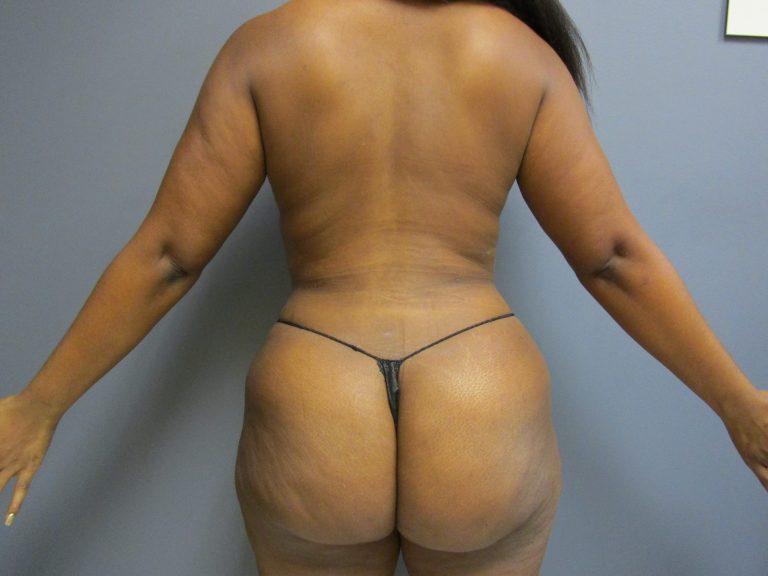
People rarely wake up one morning and decide on liposuction for casual reasons. In practice, the decision tends to build over time. Someone has worked out consistently for years but still carries fullness at the lower abdomen. Another person has lost a meaningful amount of weight and is frustrated that the waist, flanks, or upper arms do not reflect that effort. A third patient feels healthy, active, and professionally accomplished, yet avoids certain clothes because one area of the body never seems to respond.
That is why conversations around Liposuction Farmington Hills are usually more nuanced than outsiders expect. Patients are not simply chasing a smaller number on the scale. Most are trying to solve a very specific body contour concern, often one that has persisted despite disciplined habits. They want proportion, definition, and a shape that matches how they already live.
In consultation settings, the reasons tend to repeat themselves, but never in exactly the same way. Age, genetics, pregnancy history, past weight changes, and skin quality all change the picture. Good surgeons know this. Liposuction is not a one-size-fits-all answer, and thoughtful patients usually want more than a sales pitch. They want to know whether the procedure is appropriate for their body, what recovery actually feels like, and whether the improvement will justify the expense and downtime.
The appeal of targeting stubborn fat
The most common reason people consider liposuction is also the simplest. They have localized fat deposits that do not respond the way the rest of the body does.
This can happen even in very fit patients. A woman may be within a healthy weight range and still feel that her lower abdomen projects in a way that makes tailored clothing fit poorly. A man may exercise regularly and maintain muscle tone, yet still carry fullness at the flanks, the area many patients casually call the love handles. Others notice persistent volume beneath the chin, along the bra line, at the outer thighs, or around the knees.
These are not imaginary concerns. Fat distribution is strongly influenced by genetics, hormones, and age. Anyone who has spent time in aesthetic medicine has seen patients whose habits are excellent and whose results from diet and exercise are still incomplete in certain areas. Liposuction can be appealing because it addresses a contour issue directly rather than asking the patient to continue chasing a change that may never fully happen through lifestyle alone.
That distinction matters. Liposuction is a contouring procedure, not a general weight-loss strategy. Patients who understand that difference usually approach surgery with more realistic expectations, and realistic expectations tend to correlate with better satisfaction afterward.
When effort and results stop matching
One of the strongest emotional drivers behind liposuction is the feeling that Liposuction Farmington HIlls effort is no longer showing up on the body in a fair way. This is especially common in people who have spent months or years being disciplined.
A patient may tell you she meal-preps, sees a trainer twice a week, and still cannot smooth the lower abdomen enough to feel comfortable in fitted dresses. Another may say he dropped twenty or thirty pounds but still sees the same waistband bulge in photos. These are not dramatic stories on the surface, but they matter deeply to the person living them.
There is also a practical side to that frustration. Clothing becomes harder to fit when one area stays disproportionately full. Patients often mention buying a larger size to accommodate the midsection or hips, only to have the garment hang loosely everywhere else. Others avoid swimsuits, tucked-in shirts, or sleeveless tops. Over time, that inconvenience can wear on confidence in quiet ways.
In those cases, liposuction is considered not because someone wants a different body altogether, but because they want their shape to reflect the work they are already doing.
Pregnancy and the desire to restore body contours
Pregnancy changes fat distribution, skin stretch, and muscle support in ways that vary tremendously from person to person. Some women return close to their pre-pregnancy shape with time, exercise, and gradual weight loss. Others do everything “right” and still notice stubborn fullness at the abdomen, flanks, or thighs.
This is one of the most common reasons women begin researching Liposuction Farmington Hills. They are not necessarily trying to become smaller than they were before. More often, they want to feel recognizable to themselves again. The issue may be a persistent lower abdominal pouch, thicker waistline, or fullness above the C-section scar.
That said, judgment is important here. Liposuction can improve contour, but it does not tighten separated abdominal muscles and it does not remove significant excess skin. Some postpartum patients are excellent candidates for liposuction alone. Others are better served by a tummy tuck, or by a combined surgical plan if both fat and skin laxity are significant. An honest consultation should sort that out clearly.
Patients appreciate that kind of directness. If a surgeon promises liposuction alone when skin quality is poor, the patient may end up disappointed even if the fat removal itself was technically sound.
Weight loss success can create a new contour problem
Weight loss is an achievement, but it does not always produce balanced body contours. After losing a substantial amount of weight, some patients find that certain regions still look disproportionately full compared with the rest of the body. Others notice irregular pockets of residual fat that stand out more now that the overall frame is smaller.
There is also a timing issue. Once weight has stabilized for several months, people can assess what remains. That is often when the idea of liposuction enters the conversation. Not as a replacement for the hard work of weight loss, but as a finishing step.
This is particularly relevant in patients who have transformed their health but still do not feel “done” because one area keeps drawing the eye. The emotional effect can be surprisingly strong. Someone may feel proud of major progress and frustrated at the same time. Liposuction sometimes becomes attractive because it offers a way to complete the contour changes that weight loss started.
Again, skin matters. After larger weight changes, loose skin can play as big a role as fat. When patients understand that distinction early, they make better decisions.
Age-related body changes often shift priorities
Metabolism is only part of the story as people get older. Hormonal changes, declining skin elasticity, shifts in fat storage, and changes in activity level can all alter body shape. A person who stayed relatively lean through their thirties may find in their forties or fifties that the abdomen, upper back, or jawline changes despite a stable routine.
In these cases, patients are not always seeking a dramatic transformation. Quite often, they want subtle refinement. A smoother waistline. Less fullness under the chin. Better definition where clothing has started to fit differently.
This group tends to ask some of the best questions because they are usually balancing cosmetic goals with work obligations, family responsibilities, and recovery planning. They want to know how visible swelling will be, how long they will need to wear compression, and when they can get back to normal exercise. They are often very good candidates because they have clear goals and realistic timelines.
A well-planned result in this age group can look very natural. The aim is rarely to create an exaggerated silhouette. It is to restore proportion and freshness.
Some patients want better definition, not a smaller frame
Another reason people consider liposuction is that they are already close to their desired size but want more shape. This includes patients who say things like, “I do not need to lose weight, I just want cleaner lines.”
That may mean more visible waist definition, a smoother transition from hip to thigh, or less heaviness at the upper arms. In men, it often means reducing the flanks or lower abdomen so the torso appears more athletic. Under the chin, even a modest amount of fat removal can improve profile photos and sharpen the jawline.
These are not trivial concerns. Small contour changes can have a disproportionate effect on how clothing drapes and how balanced the body appears. The best candidates in this category usually understand that liposuction is a sculpting tool. They are not expecting to leave surgery looking like a different person. They want a more refined version of the body they already have.
That mindset generally leads to better outcomes, because the goal is specific and measurable.
Confidence plays a role, even when patients hesitate to say it
People sometimes apologize for caring about appearance. They will say, “I know this sounds vain,” before describing years of discomfort with a particular body area. In reality, body image affects daily life more than many people admit.
When a patient avoids certain outfits, skips beach vacations, crops photos, or constantly adjusts posture to hide one area, that takes up mental space. The concern may not dominate every waking thought, but it can become a background hum that never quite switches off.
Liposuction is often considered when that background discomfort has gone on long enough. The person wants relief from the constant self-monitoring. They want to stand in a dressing room and focus on style rather than camouflage. They want to be photographed without angling the body to hide the same spot every time.
The key is to separate healthy motivation from unrealistic expectation. Surgery can improve confidence, but it cannot fix a broader issue of self-worth. Skilled surgeons watch for that distinction carefully. Patients do best when they are emotionally grounded and simply trying to correct a specific, persistent feature.
The local factor matters more than many expect
When people search for Liposuction Farmington Hills, the location itself is often part of the appeal. Cosmetic surgery is not only about the procedure. It is also about convenience, follow-up, privacy, and the comfort of receiving care close to home.
That becomes obvious during recovery. Even when liposuction is done as an outpatient procedure, patients usually appreciate shorter travel times for the initial trip home and for post-operative visits. Compression garments, swelling checks, activity guidance, and any small concerns are easier to manage when the surgeon’s office is nearby.
There is also something reassuring about building a relationship with a local practice. Patients often want to know who will answer the phone if they have a question three days after surgery, or who will see them if one side feels more swollen than the other. Proximity does not replace surgical skill, but when the skill is there, convenience becomes a meaningful advantage.
For many busy adults in the Farmington Hills area, that practical piece can tip the balance from “maybe someday” to actually scheduling a consultation.
People increasingly understand that treatment can be customized
Years ago, some people pictured liposuction as a blunt instrument that produced an obviously “done” look. That perception has changed. Modern techniques and better patient selection allow for more tailored contouring, and patients are more informed than they used to be.
They understand that the amount of fat removed, the specific treatment zones, the degree of skin elasticity, and the surgeon’s artistic judgment all influence the result. A smaller, precise treatment may be exactly right for one patient. Another may need a broader contouring plan involving the abdomen, flanks, and upper back to create balance.
That increased awareness is one reason interest remains strong. People are not only hearing “liposuction” as a generic procedure. They are learning that contouring can be individualized.
At the same time, this is where consultations become crucial. Not every request is anatomically wise. Over-aggressive fat removal can create irregularities, unnatural hollows, or a look that ages poorly. Conservative, thoughtful contouring often holds up better over time than chasing the most dramatic possible change.
Recovery is usually manageable, which lowers the barrier
Another practical reason patients consider liposuction is that, compared with some larger body contouring surgeries, recovery can be more manageable than they expected. That does not mean it is effortless. There is soreness, swelling, bruising, fluid shifts, and a period of limited activity. But many patients are relieved to learn that they are generally up and walking early, back to light routines within days, and gradually returning to fuller activity over a few weeks.
How recovery feels depends on how many areas are treated, the volume removed, the technique used, and the person’s own healing style. One patient describes it as deep muscle soreness. Another says the compression garment was the most annoying part. A third is surprised by how long swelling lingers even after they feel functionally normal.
This matters because a lot of adults considering surgery are trying to fit recovery into real life. They have jobs, carpools, deadlines, travel plans, and social obligations. If the procedure can be planned around those realities, it becomes more approachable.
The honest version is that visible results are not immediate. Early swelling can distort the shape and patience is required. Patients who know this beforehand tend to tolerate the recovery process much better than those expecting an overnight reveal.
A candidacy conversation often clarifies everything
For many patients, the real turning point is not online research. It is the consultation where someone evaluates their anatomy honestly. That meeting often answers the question beneath the question: “Will this actually help me?”
A useful consultation typically covers skin quality, fat distribution, current weight stability, medical history, and what specific change the patient wants to see. It should also include a discussion of limitations. If the surgeon thinks liposuction alone will not achieve the result, that should be said plainly.
Patients considering Liposuction Farmington Hills often benefit from going into that appointment with a short list of practical questions in mind:
- Am I a good candidate for liposuction alone, or is skin laxity part of the problem?
- Which areas can be treated safely while still looking natural?
- What should I realistically expect in the first two weeks, first two months, and final result?
- How much time should I set aside before returning to work, exercise, and social events?
- What result would you consider a success for my body type?
Those questions tend to cut through marketing language quickly. They focus the discussion on anatomy, recovery, and judgment, which is where the best decisions are made.
Expectations separate happy patients from disappointed ones
If there is one theme that experienced surgeons repeat, it is this: satisfaction depends heavily on expectations. Liposuction can create excellent contour change, but it cannot solve every body concern.
It does not replace consistent weight management. It does not stop future weight gain. It does not produce tight, youthful skin where significant laxity already exists. It does not guarantee perfect symmetry, because human bodies are not perfectly symmetrical to begin with.
On the other hand, when liposuction is used for the right reason, on the right candidate, by the right surgeon, it can be remarkably effective. Patients often notice clothing fits better, their silhouette looks more balanced, and their confidence improves in a grounded, believable way.
The happiest patients are usually the ones who wanted a clear but modest improvement, not a fantasy. They understood that recovery required patience. They knew swelling would temporarily hide the result. They accepted that surgery can enhance proportions without making them look like someone else.
Why the decision feels worth exploring for so many people
At its core, the interest in liposuction comes down to alignment. People want their appearance to align more closely with their effort, health, and self-image. When a specific area of stubborn fat keeps that from happening, the procedure becomes a reasonable option to consider.
That is true for the postpartum mother who wants her waistline back, the executive tired of lower abdominal fullness beneath dress shirts, the weight-loss patient trying to complete a long journey, and the fit adult whose genetics have always stored fat in one frustrating place. Different stories, same pattern. The concern is specific. The habits are already there. The person wants contour correction, not a miracle.
For patients exploring Liposuction Farmington Hills, the smartest next step is not chasing the most dramatic before-and-after photo. It is finding a qualified surgeon who can evaluate the body honestly, explain the likely trade-offs, and recommend a plan that fits the anatomy rather than forcing the anatomy to fit the trend.
That level of judgment is what turns liposuction from a tempting idea into a well-considered decision. And for the right patient, that is exactly why it remains such a relevant option.
Aesthetic Plastic Surgery & Laser Center, Michelle Hardaway M.D.
27920 Orchard Lake Rd
Farmington Hills, MI 48334
(248) 221-1957
FAQ About Liposuction Farmington Hills
What disqualifies you from getting liposuction in Farmington Hills?
A surgeon may recommend postponing or avoiding liposuction if a health condition, medication, or nicotine use raises the risk of surgery or poor healing. A consultation is needed to assess your medical history and whether the procedure fits your goals.
Can liposuction remove 20 pounds?
Liposuction is a body contouring procedure for localized fat. It is not a weight loss treatment, and a specific number of pounds is not a safe or useful target. The surgeon determines how much can be removed safely for each patient.
What are the risks of liposuction?
Risks include infection, changes in sensation, uneven contours, and complications from anesthesia or blood clots. A plastic surgeon can explain which risks apply to you and what to expect during recovery.